
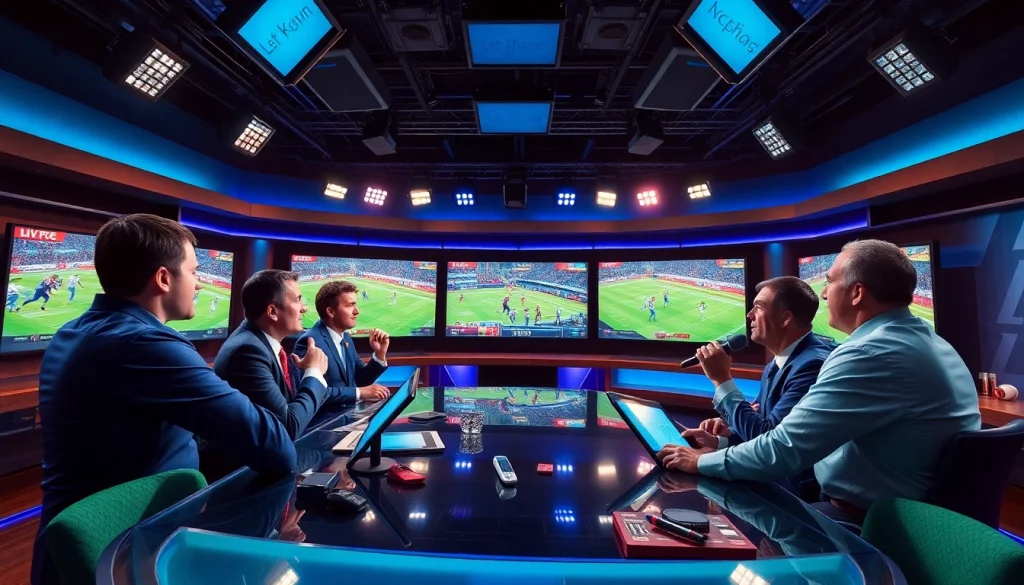
Understanding the Basics of Sports Broadcasting
Definition of Sports Broadcasting
Sports broadcasting refers to the distribution of live or recorded sports events through television, radio, or online platforms. The aim is to deliver real-time commentary, visuals, and analysis to audiences. With technology advancing rapidly, the format and reach of sports broadcasting have evolved, encompassing a wider range of media and interactivity than ever before. The industry not only entertains but also informs, allowing fans to engage with their favorite sports and teams from any location.
History and Evolution
The roots of sports broadcasting trace back to the early 20th century, when radio broadcasts first brought the experience of sports directly into homes. The transition to television in the mid-20th century revolutionized the industry, allowing fans to witness the excitement of live events. As cable networks emerged, competition intensified, leading to a boom in specialized sports channels. In recent years, streaming services have redefined consumption, giving viewers instant access and control over what they watch. Today, Sports Broadcasting represents a fusion of tradition and innovation.
Importance in Sports Culture
Sports broadcasting plays a vital role in shaping the cultural landscape of sports. It not only serves as a conduit for fans to connect with their favorite teams and players but also amplifies the influence of sports on society. By covering events, providing updates, and creating narrative arcs, broadcasters contribute to the mythology of sports. Furthermore, they foster community interaction, unite fans, and drive local economies through increased viewership and engagement.
The Role of Technology in Sports Broadcasting
Broadcasting Equipment Essentials
Modern sports broadcasting hinges on state-of-the-art equipment that ensures high-quality production. Key components include cameras that capture high-definition video, microphones for clear audio, and switchers to manage multiple feeds. Additionally, satellite uplinks and fiber-optic cables facilitate transmission over vast distances, allowing instantaneous delivery of content worldwide. Understanding and investing in these essentials is foundational for any sports broadcaster looking to succeed in a competitive field.
Emerging Technologies Impacting Sports Broadcasting
Emerging technologies, including 5G networks, artificial intelligence (AI), and cloud computing, are reshaping the sports broadcasting landscape. 5G enables ultra-fast transmission of video feeds, while AI offers opportunities for enhanced analytics and personalized experiences. Cloud computing provides scalable solutions for managing vast amounts of data generated by broadcasts. As these technologies continue to develop, they promise to make sports broadcasting more efficient and engaging for audiences.
Virtual and Augmented Reality in Viewing Experiences
Virtual reality (VR) and augmented reality (AR) are revolutionizing viewer engagement by providing immersive experiences that were previously unimaginable. VR allows fans to experience events from different angles and even “sit” at the venue, whereas AR overlays digital information onto the real world, enhancing the viewing experience. These technologies are changing how audiences perceive and interact with sports, providing new avenues for storytelling and fan engagement.
Best Practices for Engaging Audiences
Understanding Viewer Preferences
To effectively engage audiences, sports broadcasters must understand viewer preferences. This involves analyzing data to identify what types of content resonate most with different demographic groups. For example, younger audiences may prefer interactive and social elements, while older viewers might value in-depth analysis and commentary. Tailoring content to meet these preferences can significantly enhance viewer satisfaction and loyalty.
Creating Interactive Content
Interactive content adds a dynamic layer to sports broadcasting, inviting viewers to participate rather than passively consume. This can include live polling during games, social media interaction, and viewer-driven commentary. By actively involving the audience, broadcasters can strengthen community ties and enhance viewer retention, creating a richer viewing experience.
Utilizing Social Media Platforms
Social media platforms are indispensable tools for engaging audiences in real-time discussions and content sharing. By leveraging platforms like Twitter, Instagram, and Facebook, sports broadcasters can amplify their reach and foster community interactions. This also opens up opportunities for user-generated content, making fans feel part of the broadcast experience.
Challenges in Sports Broadcasting
Regulatory and Ethical Considerations
The sports broadcasting landscape is fraught with regulatory and ethical challenges that broadcasters must navigate. Policies regarding copyright, licensing rights, and broadcasting accessibility have profound implications on the industry. Maintaining compliance while providing fair and accurate coverage is essential, requiring broadcasters to adopt best practices and establish transparent guidelines for ethical broadcasting.
Managing Live Event Coverage
Live event coverage presents unique challenges, including unpredicted weather conditions, equipment failure, and logistical hurdles. Effective management involves meticulous planning, agile decision-making, and the ability to adapt to changing circumstances quickly. This requires trained personnel who can handle crises, ensuring that broadcasts run smoothly and deliver an uninterrupted experience for viewers.
Competition and Market Saturation
With the rise in streaming platforms and digital content, competition in the sports broadcasting space has intensified. Market saturation necessitates that broadcasters differentiate themselves by offering unique content or services, such as exclusive rights to events or innovative viewer engagement strategies. Understanding market trends and audience behavior is critical to maintaining a competitive edge.
Future Trends in Sports Broadcasting
Growth of Esports Broadcasting
The rise of esports has created new opportunities within the broadcasting landscape. Events attract massive audiences, with viewership rivaling traditional sports. As esports broadcasting continues to grow, broadcasters must adapt their strategies to cater to this dynamic audience by innovating in content delivery and fostering community engagement.
Data Analytics in Sports Viewership
Data analytics is playing an increasingly pivotal role in understanding viewership trends and patterns. Broadcasters can leverage data to tailor content, optimize advertising strategies, and enhance viewer experiences based on real-time feedback. Incorporating analytics not only drives engagement but also facilitates strategic decision-making for future broadcasting initiatives.
Personalized Viewing Experiences
Personalization is set to become a cornerstone of sports broadcasting, allowing viewers to customize their experience according to their preferences. For instance, through advanced algorithms, broadcasters can provide tailored highlights, notifications for preferred teams, and recommended content based on previous viewing habits. This level of personalization enhances viewer satisfaction and retention, establishing a deeper connection with the audience.