
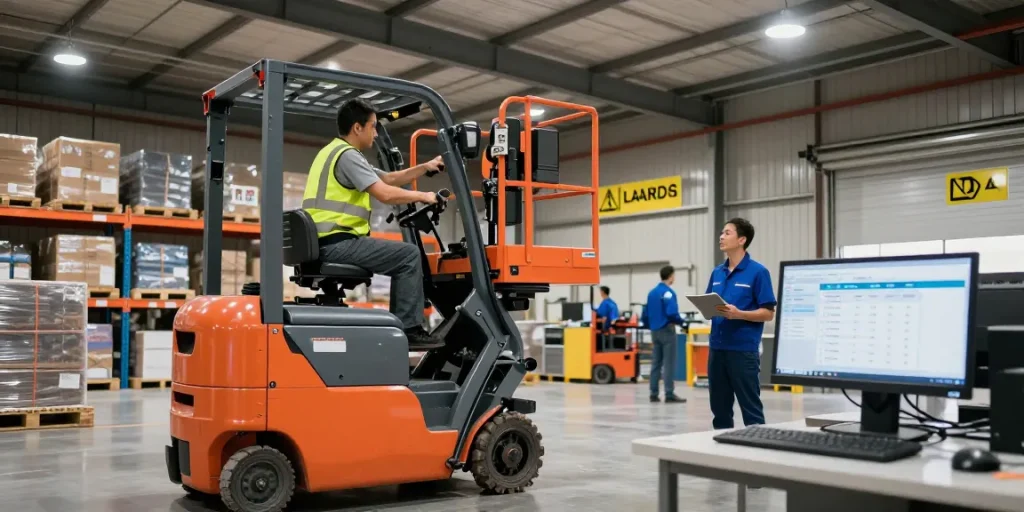
Understanding Electric Scissor Lifts
In the rapidly evolving landscape of material handling and construction, electric scissor lifts have emerged as pivotal tools for enhancing productivity and ensuring safety. These compact machines are designed for efficient vertical lifting, making them indispensable in various applications such as construction sites, warehouses, and maintenance tasks. With advancements in technology and performance, electric scissor lifts are reshaping how teams approach elevated work.
When exploring options, electric scissor lift providers like Texlift offer comprehensive insights and a variety of models tailored to specific operational needs. Their popularity is largely due to their zero-emission design, which not only protects the environment but also complies with stringent safety regulations prevalent in many industries.
What is an Electric Scissor Lift?
An electric scissor lift is a type of aerial work platform that uses a crisscrossing (scissor) mechanism to raise and lower a platform vertically. Powered by electric motors, these lifts can reach heights typically ranging from 15 to 40 feet, making them suitable for both indoor and outdoor applications. Their maneuverability in tight spaces and ease of operation make them favored by contractors and facility managers alike.
Key Features of Electric Scissor Lifts
- Platform Size: Electric scissor lifts come with varying platform sizes, accommodating more workers and equipment simultaneously.
- Weight Capacity: These lifts generally support loads ranging from 500 lbs to over 2000 lbs, ensuring adequate support for multiple workers and tools.
- Battery Life: Advanced battery technology, such as lithium-ion, allows for extended operational time and reduced charging intervals.
- Compact Design: Many models feature a slim profile, enabling access to narrow aisles and confined spaces.
- Safety Features: Electric scissor lifts are equipped with guardrails, emergency stop buttons, and tilt sensors for enhanced safety.
Advantages Over Traditional Lifts
Electric scissor lifts offer several advantages over traditional hydraulic lifts, primarily in terms of operation and environmental impact. One significant benefit is their lower operational costs since electric lifts do not require hydraulic fluids, which can be costly and messy to maintain. Additionally, the quiet operation of electric lifts makes them ideal for environments like retail spaces and hospitals, where noise reduction is paramount. Finally, they also provide better maneuverability and compactness, allowing for efficient navigation in crowded or limited spaces.
Choosing the Right Electric Scissor Lift
Selecting the appropriate electric scissor lift for your specific needs requires a detailed understanding of operational requirements, site conditions, and safety standards. This ensures that your choice aligns with the intended tasks while maximizing efficiency and safety.
Factors to Consider for Your Needs
When it comes to choosing an electric scissor lift, consider the following factors:
- Application: Determine the type of work you intend to perform and whether the scissor lift’s capabilities meet those requirements.
- Height Requirements: Identify the maximum height you’ll be working at to ensure the lift you choose can reach it safely.
- Terrain: Consider whether you will be using the lift indoors or outdoors, as some models are better suited for rough terrains.
- Budget: Establish a budget that accommodates both acquisition costs and ongoing maintenance needs.
Weight Capacity and Lift Height Considerations
Electric scissor lifts are available in different models designed to handle varying weight capacities and lift heights. Ensure the model you select can comfortably support both the weight of your crew and any tools or materials required for the task. Typical weight capacities range from 500 lbs to 2,500 lbs, while lift heights can exceed 40 feet for more specialized applications.
Brand Comparisons: What to Look For
When comparing brands, consider their reputation, warranty offerings, customer service, and availability of spare parts. Some leading brands are known for their robust performance and long-lasting durability. Reading customer reviews and experiences can also provide valuable insights into how different electric scissor lifts perform in real-world scenarios.
Safety Practices When Using Electric Scissor Lifts
Operating any lift is subject to safety standards, and electric scissor lifts are no exception. Understanding and adhering to safety protocols is essential for protecting workers and preventing accidents on the job site.
Pre-Operation Safety Checks
Before using an electric scissor lift, operators should conduct thorough pre-operational safety checks. These checks should include:
- Inspecting the lift for any visible damage or wear, including cables and controls.
- Checking battery levels to ensure adequate power for operation.
- Verifying that safety features, such as emergency lowering and guardrails, are functioning correctly.
- Reviewing the worksite for hazards, such as overhead obstructions or uneven surfaces.
Best Practices for Safe Operation
When using an electric scissor lift, certain best practices should be followed to minimize risks:
- Always wear appropriate personal protective equipment (PPE), including hard hats and harnesses.
- Maintain a safe distance from power lines and overhead obstacles.
- Do not overload the lift beyond its specified weight capacity.
- Ensure that all users are properly trained and certified to operate the lift.
Common Mistakes to Avoid
Some pitfalls can compromise safety and performance. Be aware of the following mistakes:
- Failing to perform safety checks before operation.
- Ignoring environmental factors, such as wind conditions when operating outdoors.
- Overloading the lift, risking both the equipment and personnel safety.
- Neglecting to secure loose tools and materials that could fall from the platform.
Maintaining Your Electric Scissor Lift
Regular maintenance is crucial to ensuring the longevity and safe operation of electric scissor lifts. Implementing a consistent maintenance routine can help identify potential issues before they escalate.
Regular Maintenance Routines
Establish a regular inspection schedule that encompasses:
- Checking hydraulic systems for leaks and functionality.
- Inspecting battery health and charging systems.
- Cleaning and lubricating moving parts to prevent wear.
- Verifying the integrity of safety devices and controls.
Identifying Potential Issues Early
Operators should be trained to recognize signs of malfunction, such as unusual noises, erratic movement, or warning lights on the control panel. Promptly addressing these issues can prevent costly repairs and ensure safety on-site.
Resource Management for Parts and Repairs
Maintaining a stock of essential spare parts can significantly reduce downtime. Consider the following:
- Identify critical components that are commonly replaced.
- Establish relationships with reliable suppliers for prompt part availability.
- Keep comprehensive maintenance records to track repairs and service intervals.
Future Trends in Electric Scissor Lift Technology
The electric scissor lift industry is set for transformative changes as technology evolves. Key trends to watch include innovations in automation, sustainability, and smart technology integration.
Emerging Technologies and Innovations
As the industry advances, we see the incorporation of smart technologies such as IoT sensors, which monitor equipment health and provide real-time data analysis. These technologies enable companies to optimize their asset utilization and enhance safety measures.
Impact of Automation on Scissor Lifts
The future of electric scissor lifts may also leverage automation, with systems that can self-navigate and perform tasks without direct human intervention. This shift could lead to increased efficiency in complex environments.
The Role of Electric Vehicles in Sustainable Operations
As organizations prioritize sustainability, electric scissor lifts align perfectly with green initiatives. The transition towards electric vehicles across industries aims to significantly reduce carbon footprints, enhancing operational efficiency while adhering to environmental regulations.
What is the average lifespan of an electric scissor lift?
The average lifespan of an electric scissor lift can vary based on usage and maintenance, but generally, they can last anywhere from 7 to 12 years with proper care and routine maintenance.
Can electric scissor lifts be used outdoors?
Yes, many electric scissor lifts are designed for outdoor use, but it’s essential to check the manufacturer’s specifications to ensure compatibility with outdoor environments, especially regarding wind conditions and stability.
What maintenance should be performed regularly?
Regular maintenance should include checking hydraulic and electrical components, inspecting safety features, and ensuring battery health. Keeping a log of maintenance activities can aid in identifying patterns or recurring issues.
How do electric scissor lifts compare to hydraulic lifts?
Electric scissor lifts often have lower operational costs, reduced noise levels, and fewer maintenance requirements than hydraulic lifts. However, hydraulic lifts might offer more power in extreme conditions, making them suitable for heavy-duty tasks.
What safety certifications should I look for?
When selecting electric scissor lifts, look for compliance with standards set by organizations such as ANSI (American National Standards Institute) and OSHA (Occupational Safety and Health Administration). These certifications ensure the equipment meets safety and performance standards.