
Understanding the Nature of Stress and Anxiety
Stress and anxiety are widespread phenomena affecting millions globally, often intertwined but distinct from each other. While stress is typically a response to an external trigger—like work pressure, relationship problems, or financial difficulties—anxiety tends to be more persistent, manifesting even in the absence of stressors. Understanding their nature can help individuals manage and cope more effectively. For insights into managing stress and anxiety, many turn to resources like stress and anxiety guides.
Different Types of Stress and Anxiety
Stress is generally categorized into three main types: acute, episodic acute, and chronic stress. Acute stress is short-term, perhaps resulting from a specific challenge or immediate pressure. Episodic acute stress occurs when an individual experiences frequent bouts of stress, often feeling overwhelmed by life. Chronic stress, on the other hand, persists over an extended period, potentially leading to severe health issues like heart disease or depression.
Anxiety can be classified into several types, including Generalized Anxiety Disorder (GAD), Panic Disorder, Social Anxiety Disorder, and specific phobias. Each type presents unique challenges. GAD manifests as persistent worry about various aspects of life, while Panic Disorder involves sudden, intense episodes of fear. Social Anxiety Disorder entails an overwhelming fear of social situations, and specific phobias revolve around intense fear of particular objects or situations.
Common Triggers and Symptoms
Identifying triggers is crucial for managing stress and anxiety. Common stress triggers can include life changes (positive or negative), work-related demands, and personal relationships. Symptoms often vary but typically include emotional responses like irritability or sadness, physical reactions such as muscle tension, headaches, and fatigue, and cognitive signs like difficulty concentrating.
Anxiety symptoms can manifest in both psychological and physical forms. Individuals may experience a sense of impending doom, racing thoughts, or restlessness, all of which can lead to heightened physical responses, such as an elevated heart rate, sweating, or stomach discomfort. Understanding these symptoms can empower individuals to take preventive measures against their triggers.
The Importance of Acknowledging Your Feelings
Acknowledging one’s feelings is vital in managing stress and anxiety. By recognizing emotional and physical symptoms, individuals can take constructive actions towards addressing their mental health challenges. Ignoring these feelings often results in escalation, leading to further distress. Building self-awareness through journaling or sharing feelings with trusted individuals can serve as effective first steps toward managing stress and anxiety outcomes more effectively.
Practical Techniques to Alleviate Stress and Anxiety
Implementing practical techniques to alleviate stress and anxiety can lead to substantial improvements in overall mental health. By incorporating mindfulness practices, physical activity, and specific breathing exercises, individuals can better manage their symptoms.
Mindfulness and Meditation Practices
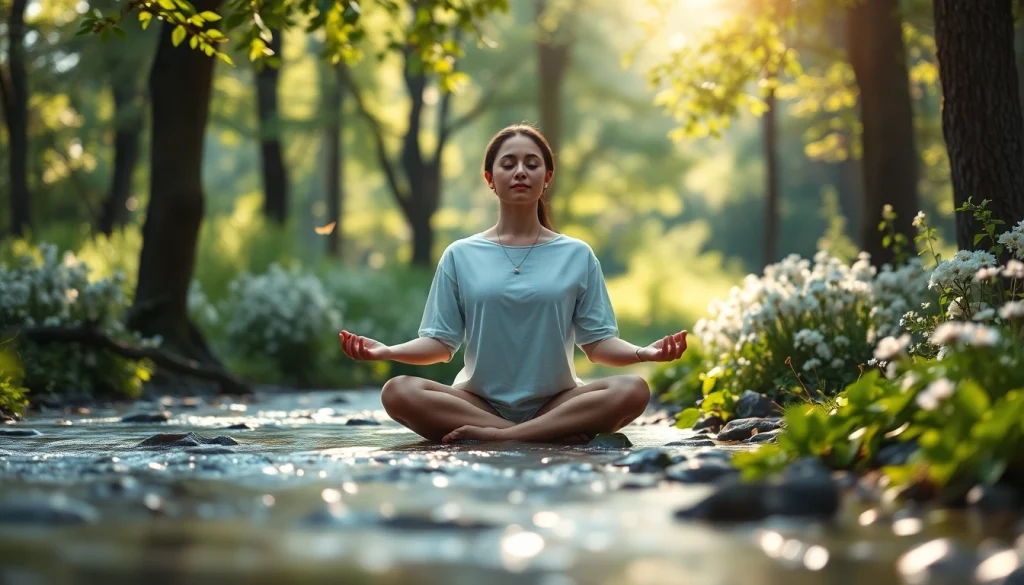
Mindfulness encompasses being present in the moment without judgment. Research indicates that regular mindfulness practices, such as meditation and yoga, help reduce stress and anxiety levels significantly. Individuals often find it challenging to stay present due to intrusive thoughts; thus, engaging in guided meditations can be particularly beneficial.
Start by dedicating just a few minutes daily to mindfulness practices. Simple techniques like focusing on your breath or observing your surroundings can create a sense of calm and clarity. Utilizing resources like meditation apps or local classes can enhance your practice.
Breathing Exercises to Calm the Mind
Breathing exercises are effective techniques to manage immediate anxiety. When anxiety strikes, our body’s natural response is to prepare for the “fight or flight” scenario, often resulting in rapid, shallow breathing. Deliberate breathing exercises can help counteract this response:
- Diaphragmatic Breathing: Inhale deeply through your nose, allowing your diaphragm to expand fully before exhaling slowly through your mouth.
- 4-7-8 Breathing: Breathe in for a count of four, hold for seven, and exhale for eight.
- Box Breathing: Breathe in for four counts, hold for four counts, exhale for four counts, and hold for four counts before inhaling again.
These exercises can offer quick relief by slowing down your heart rate and promoting a sense of calm.
Physical Activity and its Benefits
Engaging in physical activity has well-documented benefits for mental health. Exercise releases endorphins, natural mood lifters that can help combat stress and anxiety. Regular physical activity can improve sleep quality, boost self-confidence, and enhance overall well-being, making it a valuable component of any stress-management strategy.
Whether it’s walking, dancing, swimming, or participating in team sports, finding enjoyable activities is essential for sustainability. Aim for at least 150 minutes of moderate exercise each week. Incorporating physical activities into daily routines, even through simple tasks like walking or gardening, can yield considerable mental health benefits.
Lifestyle Changes to Reduce Stress and Anxiety
In addition to practical techniques, adopting lifestyle changes can significantly impact stress and anxiety levels. Simple shifts in daily habits can cultivate a more resilient mental framework.
Importance of Healthy Eating Habits
The relationship between diet and mental health is well-established. Consuming a balanced diet rich in vitamins, minerals, and omega-3 fatty acids can contribute to improved mood and reduce anxiety. Foods high in sugar and saturated fats can exacerbate feelings of anxiety, while nutrient-dense foods can support brain health.
Implementing a routine that prioritizes nutrition is crucial. Whole foods, such as fruits, vegetables, lean proteins, and whole grains, should take precedence over processed foods. Staying hydrated also plays a significant role in maintaining mental clarity and emotional regulation.
Creating a Supportive Environment
Your environment can impact stress levels significantly. Creating a calm and organized space at home can be conducive to reducing anxiety. This might involve decluttering spaces, introducing plants or calming colors, or ensuring your environment is filled with positive influences.
Establishing a social support network is equally important. Surrounding yourself with understanding and supportive individuals can provide emotional relief and encourage healthier coping strategies. Whether through family, friends, or support groups, connection is a powerful ally in combating stress and anxiety.
Prioritizing Sleep for Mental Health
Quality sleep is crucial for mental health and plays a vital role in managing stress and anxiety. Lack of sleep can contribute to heightened emotional reactivity and anxiety symptoms. It is essential to develop a consistent sleep schedule and create a restful bedtime routine promoting quality sleep.
Tips for improving sleep include limiting screen time before bed, creating a calming pre-sleep routine, ensuring consistent sleep and wake times, and ideally having a comfortable sleeping environment. Prioritizing sleep as a key element of mental health is a critical aspect often overlooked in stress and anxiety management.
When to Seek Professional Help
Understanding when to seek professional help is crucial for effectively managing stress and anxiety. Sometimes self-help techniques may not yield the desired results, and in such cases, professional intervention can provide valuable support.
Signs That Indicate Professional Intervention
Common signs that suggest it may be time to seek help include persistent feelings of sadness or anxiety that interfere with daily life, sudden emotional changes, withdrawal from social interactions, and difficulty performing daily tasks. If individuals find themselves unable to manage stress or anxiety despite personal efforts, reaching out to a professional can be a powerful step.
Types of Therapies Accessible for Anxiety
Various therapeutic approaches can help manage anxiety effectively. Cognitive Behavioral Therapy (CBT) focuses on changing negative thought patterns and behaviors, while Exposure Therapy helps individuals confront feared situations gradually. Additionally, mindfulness-based therapies promote relaxation and coping strategies through a present-moment focus.
Medication may also be an avenue for those whose symptoms are severe. It is crucial to consult with a healthcare professional to determine the best course of action tailored to individual needs.
Integrating Therapy with Self-Help Techniques
Combining therapy with self-help techniques provides a holistic approach to managing stress and anxiety. Individuals can benefit from therapy in learning coping strategies while incorporating daily strategies such as mindfulness or physical activity into their routines. This integrative approach fosters resilience and empowers individuals to face their challenges more effectively.
Frequently Asked Questions about Stress and Anxiety
What are the symptoms of stress and anxiety?
Common symptoms include constant worry, fatigue, difficulty concentrating, and irritability. Physical signs often manifest as headaches, muscle tension, and digestive issues, impacting overall well-being.
Can lifestyle changes help manage stress and anxiety?
Yes, incorporating regular exercise, maintaining healthy eating habits, and practicing relaxation techniques significantly improve mental health and overall well-being by reducing stress hormone levels.
How effective is mindfulness for stress and anxiety relief?
Mindfulness practices, such as meditation and deep breathing, have proven effective in reducing symptoms by promoting awareness and acceptance of thoughts and feelings, leading to decreased anxiety.
Is it necessary to seek therapy for stress and anxiety?
If self-help strategies prove ineffective, therapy can provide essential support, strategies, and tools for managing mental health effectively, acting as a valuable complement to self-care.
What can I do in the moment when I feel anxious?
When feeling anxious, breathing exercises, grounding techniques, or taking short walks can effectively interrupt anxious thought patterns and restore a sense of calm and clarity.