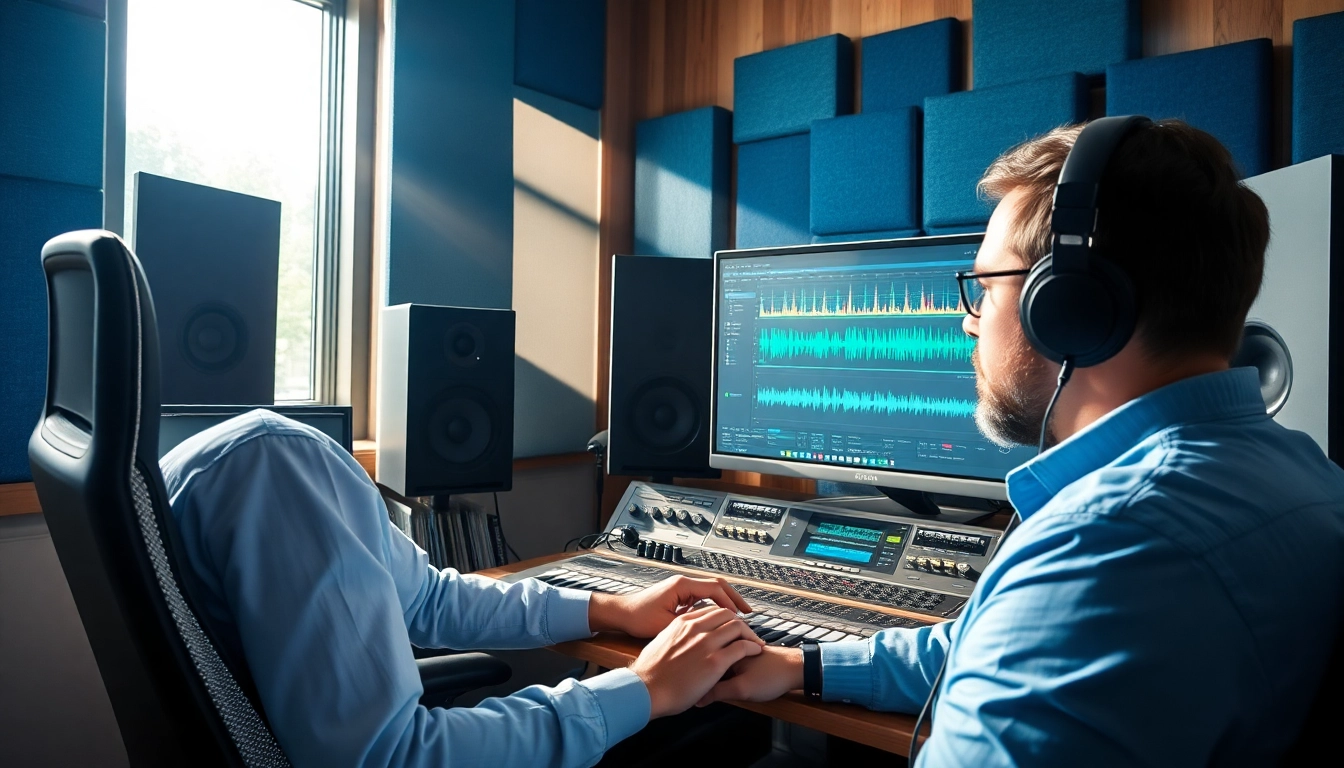
Understanding Online Audio Mastering
What is Online Audio Mastering?
Online audio mastering is the final step in the music production process where your mixed tracks are optimized for playback across various media formats. This process involves adjusting levels, equalization, compression, and adding final touches to make sure that your audio sounds good on all listening devices, from high-end systems to smartphones.
A unique aspect of online audio mastering is its accessibility. Musicians and producers can send their tracks to professionals remotely, allowing for a streamlined workflow without the need for in-person studio time. This service can cater to anyone from aspiring indie artists to seasoned professionals seeking the highest quality sound for their projects. For those who want to elevate their audio content, exploring the world of online audio mastering can be transformative.
Benefits of Online Audio Mastering
Online audio mastering offers several advantages that benefit both artists and producers:
- Cost-Effectiveness: Utilizing online services can be significantly cheaper than hiring a local mastering engineer.
- Convenience: The ability to upload and receive mastered tracks digitally allows for a flexible schedule.
- Access to Expertise: Many online services employ experienced mastering engineers who can elevate your tracks with their skills and knowledge.
- Fresh Ears: Having someone else master your music can provide an objective perspective that you might miss after hours of mixing.
- Revisions and Feedback: Many services offer opportunities to request adjustments based on your initial feedback.
How Online Audio Mastering Works
The process of online audio mastering typically follows several core steps:
- Track Submission: Artists upload their mixed tracks along with any relevant details.
- Initial Assessment: Mastering engineers listen to the tracks to gauge their quality and identify areas of improvement.
- Processing: The audio is then processed using various tools, including equalizers, compressors, and limiters, to enhance clarity and balance.
- Finalization: After adjustments are made, the track is prepared for distribution, ensuring compatibility with different playback systems.
- Delivery: The final master is sent back to the artist, often in multiple formats for various platforms.
Choosing the Right Online Audio Mastering Service
Key Features to Look For
When selecting an online audio mastering service, several key features should be prioritized to ensure you receive quality results:
- Professionalism: Look for services that have a professional website and credentials showcasing their expertise.
- Sample Work: Review previous masters to determine if their style aligns with your vision.
- Communication: Choose a service that responds quickly and clearly to inquiries.
- Customization Options: Some services allow for custom requests, enabling a more personalized approach to your music.
- Turnaround Time: Consider how quickly they can provide the finished product, especially if you’re working on a tight deadline.
Comparing Pricing and Packages
Pricing for online audio mastering services can vary widely, so it’s essential to compare different options based on what they offer:
- Flat Rate vs. Tiered Pricing: Some services charge a flat fee per track, while others have tiered pricing based on the level of service.
- Discounts for Bulk Orders: If you have multiple tracks, some services will offer package deals that reduce the per-track cost.
- Value in Extras: Look for services that include additional features—like vinyl mastering or digital distribution—as part of their packages.
Reading Reviews and Testimonials
Reviews and testimonials can give valuable insight into the quality of an online audio mastering service. Check for:
- Customer Satisfaction: Look for positive feedback specifically mentioning sound quality and customer service.
- Case Studies: Some services share case studies detailing how they have helped musicians achieve their goals.
- Social Media Presence: Engaging with customers on social platforms can indicate a responsive and reliable service.
Best Practices for Online Audio Mastering
Preparing Your Mix for Mastering
Before submitting your tracks for online audio mastering, proper preparation is crucial:
- Leave Headroom: Ensure that your mix has adequate headroom (around -6dB) to avoid clipping during mastering.
- Avoid Overprocessing: Keep effects like compression and EQ minimal in the mix to give the mastering engineer room to work.
- Use Reference Tracks: Include reference tracks that capture the sound you aspire to achieve for better guidance.
Common Mistakes to Avoid
Here are typical pitfalls to steer clear of when working with online audio mastering:
- Rushing the Process: Allocate enough time for mastering and revisions; don't wait until the last moment.
- Ignoring Feedback: If the mastering engineer provides notes, take them seriously to ensure that the final product meets your expectations.
- Skipping the Mix Stage: Attempting to master a track without a proper mix can lead to subpar results.
Recommendations from Industry Experts
To maximize the effectiveness of your mastering, consult with industry experts who commonly emphasize:
- Collaboration: Work closely with your mastering engineer to communicate your vision clearly.
- Take Breaks: Allow your ears to rest during lengthy mixing sessions to maintain fresh perspective.
- Trust the Professionals: You may have an idea of what sounds good, but trust the expertise of your mastering engineer.
Case Studies in Online Audio Mastering
Successful Projects and Outcomes
Examining successful projects can highlight the significant impact of online audio mastering:
Indie musicians often report enhanced streaming numbers and positive listener feedback after utilizing online mastering services. By analyzing case studies, one can understand how mastering brought a polished, professional quality to tracks, boosting their marketability.
Learning from Challenges Faced
While many artists find success, others encounter challenges. Common hurdles include:
- Technical Issues: Some artists face problems with file formats or submission processes, which can delay mastering.
- Miscommunication: Instances where expectations didn’t align highlight the necessity for clear communication with engineers.
- Overconfidence: Some believe that a solid mix negates the need for mastering, only to find out the importance of that final polish.
Impact on Independent Artists
Online audio mastering has democratized access to high-quality production, especially for independent artists. With the right audio mastering, artists can effectively compete in an increasingly crowded marketplace. The ability to polish tracks reflects a commitment to professionalism, making indie projects more appealing to labels, distributors, and audiences alike.
Future Trends in Online Audio Mastering
Technology Innovations on the Horizon
The future of online audio mastering is bright, with numerous technological advancements in the pipeline:
- AI-Powered Mastering Tools: Automated systems are improving, allowing artists to achieve high-quality masters with less input.
- Enhanced Satellite Communication: Global connectivity is improving service delivery and master quality over distance.
- Cloud-Based Solutions: These services enable seamless collaboration and revisions on particular projects.
Expected Changes in User Expectations
As technology progresses, users will demand:
- Faster Turnaround: Quick responses and delivery will become the norm, especially for streaming and content creation.
- More Flexible Options: Artists will increasingly seek customizable packages that cater to their unique sound.
- Transparent Processes: Clients will want to understand the steps taken in mastering, expecting more involvement in the process.
The Evolving Role of Online Audio Mastering
The role of online audio mastering is shifting from mere technical correction to a nuanced artform. As the industry embraces cloud solutions and AI, mastering engineers will become vital collaborators in the creative process. Their expertise will not only enhance the sound but also assist artists in realizing their unique artistic vision.
FAQs About Online Audio Mastering
What is the difference between mixing and mastering?
Mixing involves balancing individual audio tracks within a session, while mastering optimizes the mixed tracks for various media formats.
How long does online audio mastering take?
The turnaround time can vary from a few hours to several days, depending on the service's workload and the complexity of the project.
Can I master my own tracks?
Yes, you can use software tools for self-mastering, but hiring a professional often yields better results due to their expertise.
What formats should I submit my tracks in?
Typically, wav or aiff file formats are preferred for submissions, ensuring the highest quality for mastering.
Are there any specific requirements for submitting tracks?
Requirements vary by service, but common guidelines include leaving headroom, providing uncompressed files, and including reference tracks.