
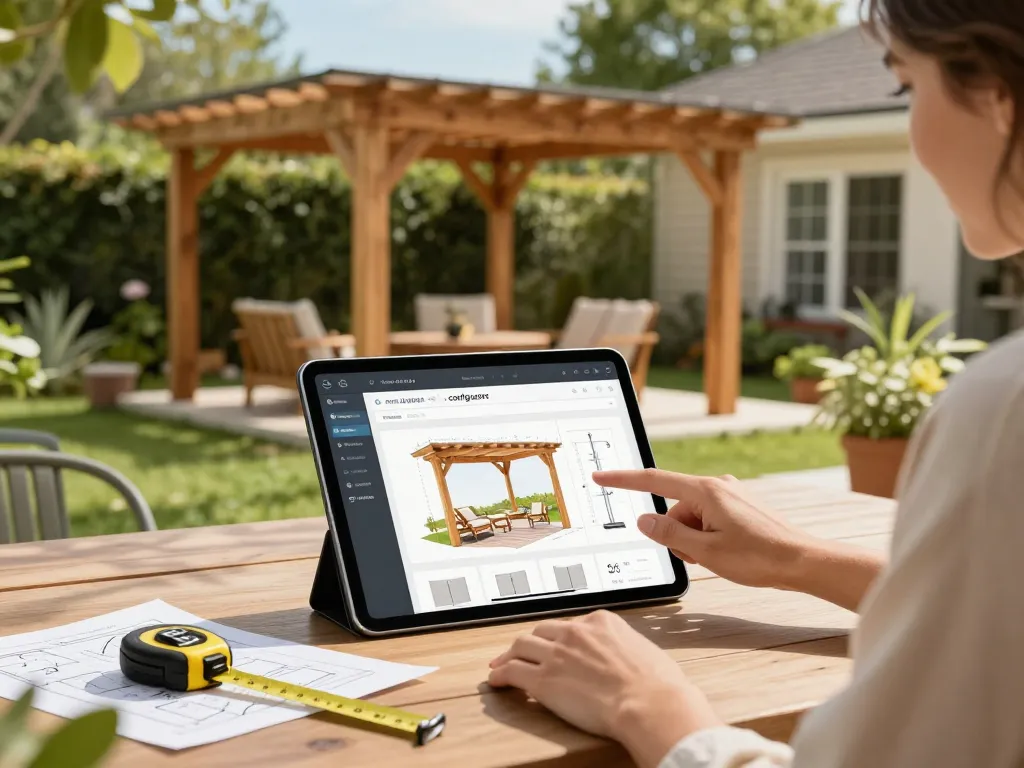
Understanding Software Configuratore Pergole
The world of garden design has evolved significantly over the years, and one of the most transformative tools in this domain is the software configuratore pergole. This innovative technology enables homeowners, architects, and designers to create personalized pergola designs that enhance outdoor living spaces. By leveraging software configurators, users can visualize, customize, and plan their pergola projects with ease, allowing for an efficient and enjoyable design process.
What is a Pergola Configurator?
A pergola configurator is a specialized software tool that allows users to design and customize pergolas and other outdoor structures. These tools typically offer a user-friendly interface where users can select various components, materials, and dimensions to create a unique design that fits their specific needs. The configurator often incorporates 3D visualization capabilities, enabling users to see how their design will look in a real-world setting before making a purchase. This level of interactivity not only aids in decision-making but also ensures that the final product meets aesthetic and functional requirements.
Benefits of Using Software Configuratore Pergole
- Customization: Users can tailor the design to match their personal style and the architectural features of their home.
- Visualization: Real-time 3D modeling provides a clear picture of how the pergola will fit into the intended space.
- Efficiency: Streamlines the design process, reducing the time spent on iterations and adjustments.
- Enhanced Communication: Facilitates better collaboration between clients and designers by providing a visual representation of ideas.
Key Features to Look For in a Pergola Software
When evaluating a software configuratore pergole, consider the following features:
- User Interface: A clean, intuitive interface enhances user experience and reduces learning curves.
- 3D Visualization: The ability to view designs in 3D helps ensure that users can adequately assess spatial relationships and visual impact.
- Material Library: A comprehensive selection of materials and finishes allows for greater customization.
- Integration with Other Tools: Compatibility with other design software can streamline workflows for architectural firms and contractors.
How to Choose the Right Pergola Configurator Software
Choosing the right pergola configurator software is crucial for achieving the best design outcomes. Factors to consider include ease of use, flexibility, and pricing structures among available options. Resources like software configuratore pergole can provide comprehensive insights into different tools on the market, enabling informed decisions.
Evaluating User-Friendliness and Interface Design
User-friendliness is essential in any software tool, as a complicated interface can deter users and lead to mistakes. Look for software that offers clear instructions, helpful tips, and an intuitive layout that makes navigation straightforward. A well-designed interface reduces the learning time and allows users to focus on creativity rather than functionality issues.
Assessing Customization Options and Flexibility
The best configurators allow for extensive customization. Check if the software enables adjustments to dimensions, styles, materials, and features. Flexibility in design ensures that users can create a pergola that truly reflects their vision while being suitable for various applications, from residential gardens to commercial spaces.
Pricing Models and Value Comparisons Among Competitors
Pricing structures can vary significantly between pergola configurator software. Some tools may offer a one-time purchase, while others may operate on a subscription model. It’s important to weigh the cost against the features provided. Look for trials or demos that allow prospective users to test the software before committing financially, ensuring they choose the best value for their needs.
Best Practices for Designing Pergolas Using Software
Leveraging a pergola configurator effectively requires understanding design principles and the software’s functionalities. Implementing best practices not only enhances the design process but also improves the final outcome.
Step-by-Step Guide to Configuring Your Pergola
- Define Your Space: Measure the area where the pergola will be installed to ensure accurate dimensions.
- Select Your Style: Choose a design style that complements your home and garden architecture.
- Customize Features: Add personal touches, such as integrated lighting, climbing plants, or retractable roofs.
- Visualize: Use the 3D capabilities to evaluate the design from multiple angles before finalizing.
- Consult Experts: If needed, seek advice from professionals to address any concerns or technicalities.
Common Mistakes to Avoid When Using a Configurator
While using a configurator can be straightforward, several common pitfalls should be avoided:
- Incorrect Measurements: Always double-check measurements to prevent design issues.
- Neglecting Regulations: Be aware of local codes and regulations that may affect your design.
- Overlooking Functionality: Ensure the pergola serves its intended purpose, such as providing shade or aesthetic enhancement.
Incorporating Client Preferences and Aesthetics
When designing with client input in mind, consider their tastes, preferences, and lifestyle needs. Engage in discussions about aesthetics, functionality, and how the pergola will complement their outdoor environment. Utilizing the configurator’s features can help visualize these elements cohesively.
Real-World Applications and Success Stories
The application of pergola configurators extends beyond mere design; they can lead to tangible benefits in real projects. By examining success stories, we can shed light on their effectiveness.
Case Studies of Successful Pergola Configurations
Numerous case studies highlight how businesses and individuals have successfully used configurator software. For example, a landscaping company might share a project where the configurator played a critical role in designing a multi-tiered pergola for a restaurant. The tool allowed for quick adjustments based on the owner’s feedback, ultimately resulting in a stunning outdoor dining area that increased customer satisfaction and boosted sales.
Client Testimonials and Experiences
Feedback from users of software configurators often reveals high satisfaction levels. Clients appreciate the ease of use, the ability to experiment with designs, and the significant improvements in communication with designers. Testimonials can reinforce the advantages of investing in such technology.
Tips From Industry Experts on Maximizing Configurator Benefits
Experts suggest maintaining a balance between creativity and practicality when using configurators. They recommend exploring all features, utilizing templates, and not hesitating to seek help from experts when faced with challenges. Continuous engagement with the software can lead to better designs and more effective use of the tool.
Future Trends in Software Configurator Technology
The evolution of technology fuels ongoing changes in software configurators, promising exciting advancements in how pergolas are designed and built.
Emerging Technologies Impacting Pergola Design Software
New technologies, such as augmented reality (AR) and artificial intelligence (AI), are beginning to influence how pergola configurators operate. AR can provide users with real-time overlays of their designs in their actual environments, while AI could assist in generating optimal designs based on user input and preferences, further simplifying the design process.
Predictions for the Pergola Market in 2026 and Beyond
The pergola market is expected to grow significantly, driven by trends in outdoor living spaces and sustainability. As more individuals invest in their backyards, the demand for customizable outdoor structures will rise, pushing software developers to innovate continuously. This growth will likely see configurators becoming more sophisticated, offering enhanced features and user experiences.
How to Stay Ahead With Continual Learning and Adaptation
For designers and businesses to remain competitive in the evolving market, staying abreast of technological advancements and industry trends is crucial. Attending workshops, participating in forums, and engaging with communities focused on outdoor design can provide valuable insights and keep skills sharp.
What are the advantages of using a software configuratore pergole?
The primary advantages include enhanced customization, efficient design processes, and improved visualizations of design concepts. Users can experiment freely with styles and features, leading to more satisfying final products.
Can I customize my pergola design with configurator software?
Yes, configurator software is specifically designed to allow users to customize numerous aspects of pergola designs, including dimensions, materials, colors, and additional features.
What features should I look for in pergola configurator software?
Key features to consider include a user-friendly interface, comprehensive material libraries, 3D visualization capabilities, and flexibility in customization options.
How do I ensure my pergola design meets local regulations?
Research local zoning laws and building codes applicable to outdoor structures. Many configurator tools include guidelines or features that help users remain compliant with regulations.
What are the best pergola configurator tools in 2026?
While the best tools may differ based on specific needs, some leading options to consider include those with advanced 3D modeling capabilities, extensive libraries, and strong user support systems. Regularly reviewing industry rankings and user feedback will help identify the top choices.